Source W21W Headlamp for Chevrolet Traverse for repair, upgrade, and replacement
Find 30 listings for W21W Headlamp for Chevrolet Traverse to compare prices, lumens, and fitment details. Buyers can evaluate options ranging from 12V to 24V systems with varying wattage and color temperatures for specific vehicle needs.
Key considerations
Products List
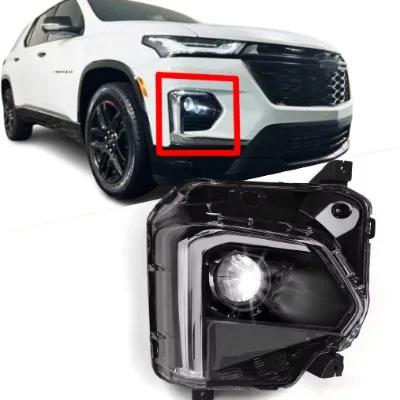
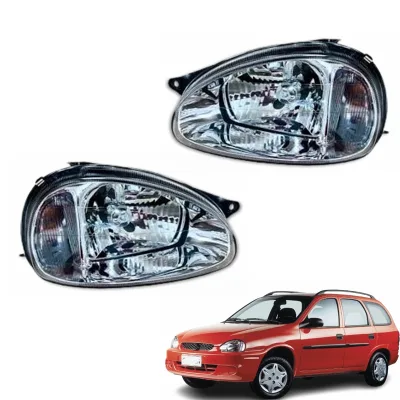
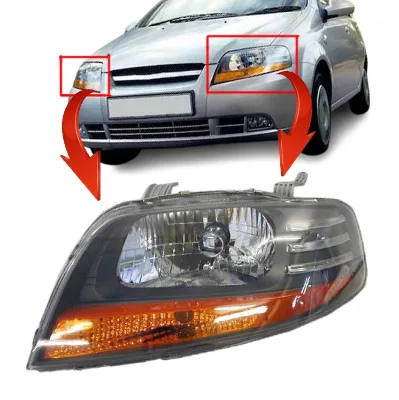
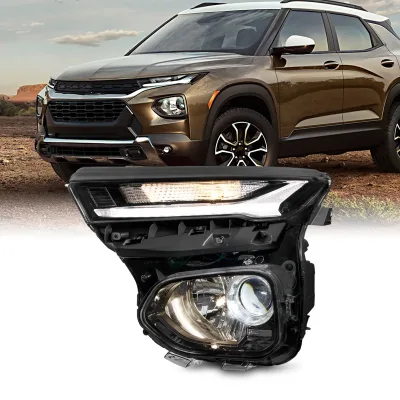
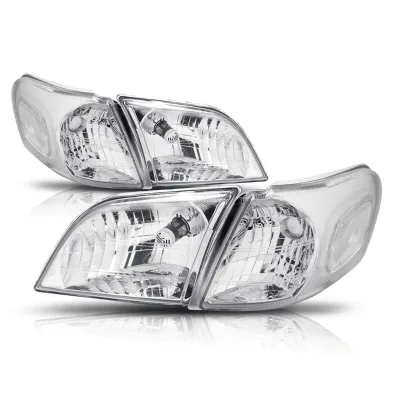
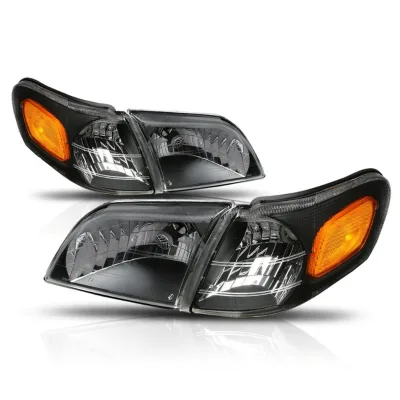
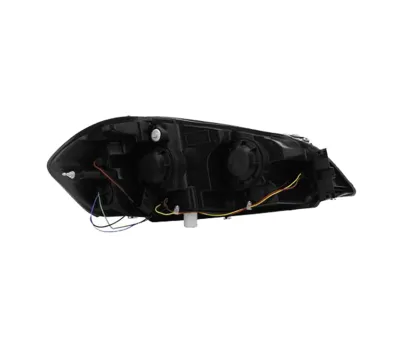
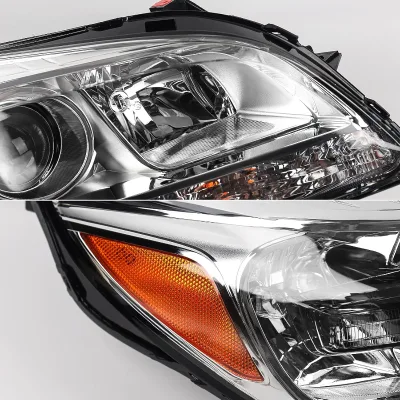
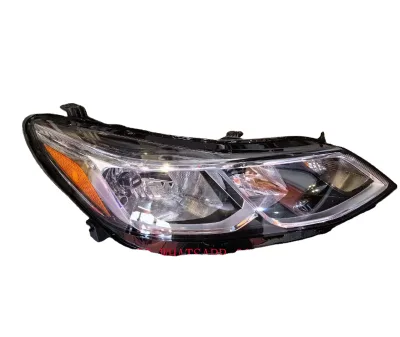
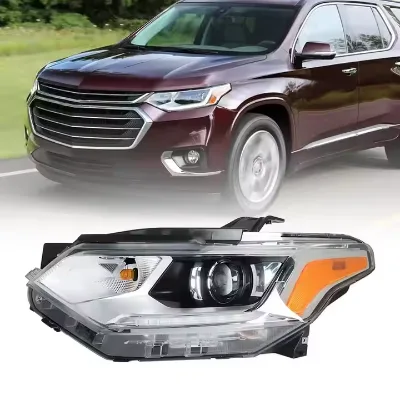
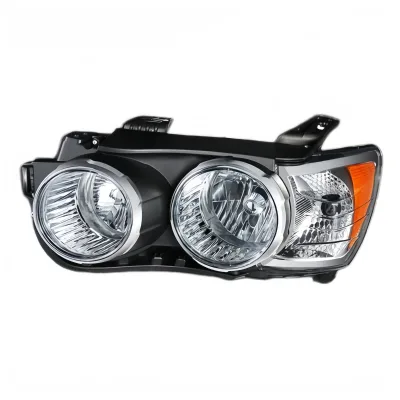
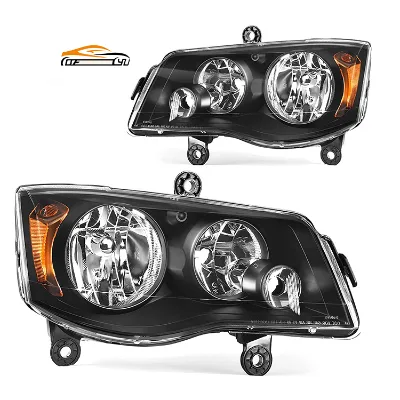
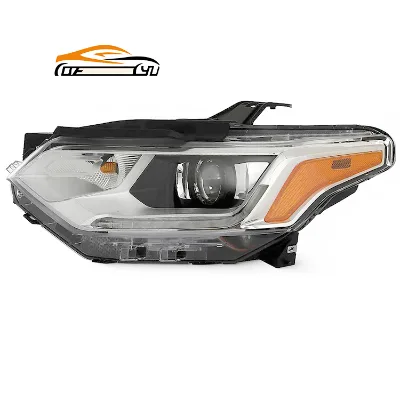
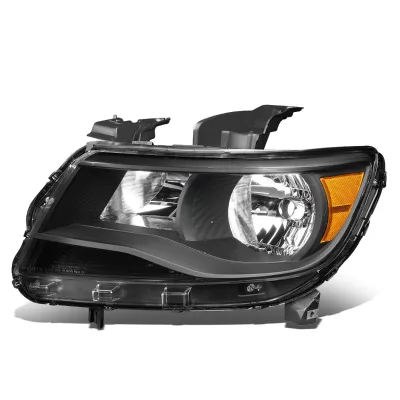
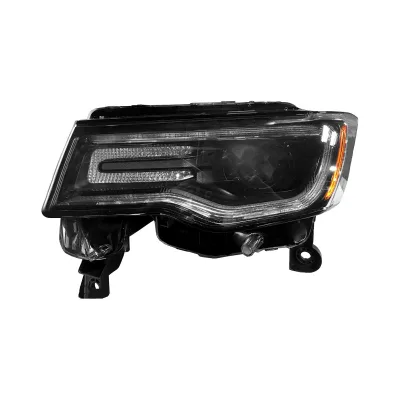
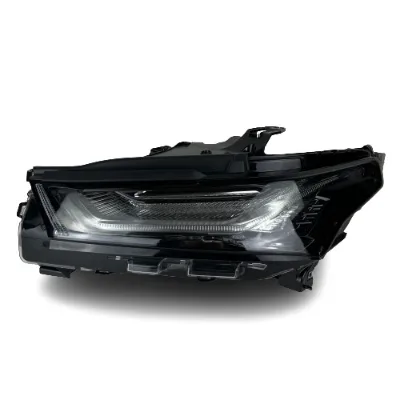


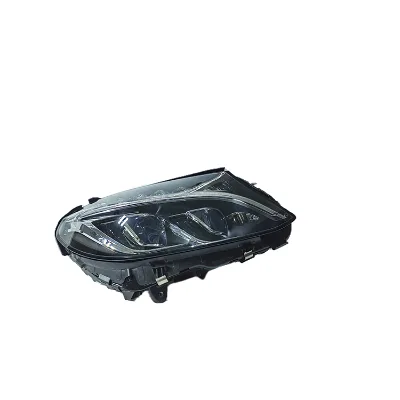


Comprehensive Sourcing Guide
Strategic Sourcing Guide for W21W Headlamp Solutions for Chevrolet Traverse
Understanding the Technical Landscape of Headlamp Components
When sourcing a W21W headlamp for a Chevrolet Traverse, buyers must first navigate the complex technical specifications that define compatibility and performance. The W21W designation refers to a specific bulb base and filament configuration often used in auxiliary lighting, turn signals, or specific headlamp assemblies depending on the model year and trim level. For the Chevrolet Traverse, particularly models from 2019 through 2023, the headlamp assembly is not a monolithic unit but a collection of integrated components including the main beam, low beam, and auxiliary lighting elements.
The supplied product data indicates a diverse range of technical attributes that buyers must cross-reference against their specific vehicle requirements. For instance, while some listings specify a voltage of 12 V, others in the market may present 24 V variants, which are incompatible with standard passenger vehicle electrical systems. Similarly, wattage ratings vary significantly across available inventory, with observed values ranging from 18 Watts to 100 Watts. A 36-watt unit is frequently cited as a standard for high-performance replacements, yet a 100-watt bulb may be intended for heavy-duty or off-road applications that could exceed the thermal limits of a stock Traverse housing.
Color temperature is another critical technical parameter. The data shows options ranging from 5000K to 6000K, with 6000K often marketed as "Natural White." However, buyers must verify that the light output does not exceed legal limits for road use in their jurisdiction. The observed lumens range from 4000 to 6500 lm, but these figures are often marketing claims rather than standardized test results. A responsible procurement strategy requires verifying that the claimed luminous flux matches the actual photometric distribution required for the Traverse's specific reflector and lens design. Furthermore, the bulb shape code H10 (9145) is explicitly mentioned in some listings, which is distinct from the W21W base. This discrepancy highlights the necessity of confirming the exact socket type and filament arrangement before placing an order, as a mismatch in base type renders the component unusable regardless of other specifications.
Compliance, Certification, and Regulatory Verification
In the automotive aftermarket, compliance is not merely a formality but a prerequisite for legal operation and liability protection. While the supplied product facts do not list specific certification bodies like ECE, DOT, or SAE, buyers must treat the absence of explicit certification data as a risk factor requiring immediate verification. The "OE No.: OEM standard" and "OE No.: 42827953" attributes suggest that some products claim to meet original equipment manufacturer specifications. However, "OEM standard" is a descriptive term rather than a certified guarantee.
Buyers should request documented proof of compliance from the supplier. This includes valid test reports from accredited laboratories confirming that the headlamp assembly meets the specific safety standards applicable to the Chevrolet Traverse's market of sale. For vehicles operating in North America, this typically involves adherence to FMVSS 108, which governs lighting equipment. In Europe, ECE R112 or R113 standards apply. Without these documents, the product may be non-compliant, leading to potential fines, failed vehicle inspections, or insurance voidance in the event of an accident.
The "Condition: New" attribute is standard, but it does not guarantee that the product has passed quality assurance protocols. Buyers must ensure that the supplier can provide a Certificate of Conformity (CoC) or a Declaration of Conformity (DoC) for the specific batch being purchased. Additionally, the "Place of Origin" data points to Jiangsu, Zhejiang, and general China locations. While these regions are major manufacturing hubs, the origin alone does not dictate compliance. The buyer must verify that the manufacturing facility holds relevant ISO certifications, such as ISO 9001 for quality management, which indirectly supports the consistency of regulatory compliance.
Cost Drivers and Pricing Dynamics
The observed price range for headlamp components in this category spans from $1.04 to $310.23 USD. This wide variance is driven by several factors, including the complexity of the assembly, the quality of materials, and the level of integration. A $1.04 item likely represents a single bulb or a basic replacement part, whereas a $310.23 unit may include a complete headlamp assembly with integrated LEDs, sensors, and housing.
Material costs play a significant role in pricing. The data indicates the use of PC (Polycarbonate) material for the lens or housing. High-quality polycarbonate with UV-resistant coatings is more expensive than standard plastic, yet it offers superior durability against yellowing and cracking. The "Single gross weight" of 5.000 kg for certain packages suggests a substantial component, likely a full assembly, which correlates with higher shipping costs and material usage.
Volume pricing is another critical cost driver. The Minimum Order Quantity (MOQ) ranges from 1 to 100 pieces, with specific listings showing MOQs of 4 or 10 pieces. Bulk purchasing can significantly reduce the unit cost, but it requires accurate demand forecasting to avoid inventory obsolescence. Buyers should analyze the total cost of ownership, including shipping, duties, and potential returns, rather than focusing solely on the unit price. The "Neutral Packing" attribute suggests that the product may not include branded packaging, which can reduce costs but may affect resale value if the buyer is a retailer.
Typical Applications and Vehicle Compatibility
The primary application for these components is the replacement or repair of headlamp systems on the Chevrolet Traverse. The data explicitly mentions compatibility with the 2019, 2022, and 2023 model years. However, the "Universal Fitment: Yes" attribute requires careful scrutiny. While a part may be marketed as universal, the specific mounting points, electrical connectors, and optical alignment for the Traverse are unique.
The "Model" specifications list "for Chevrolet Traverse 2022 2023" and "for Chevy," indicating a targeted fitment. Buyers must verify that the "Position: front" designation aligns with the intended installation location, whether it is the driver's side, passenger's side, or a universal front unit. The "Purpose: for replace/repair" confirms that these are aftermarket solutions designed to restore functionality to a damaged or failed system.
It is also important to consider the "Lamp Type: Halogen" versus LED or HID options. Some listings specify Halogen, while others imply higher performance through wattage and lumens. If the Traverse originally came with Halogen bulbs, an LED upgrade may require additional wiring or ballast to function correctly. The "Compatible Bulbs: HB1/PY21W/W5W" attribute suggests that the system may support multiple bulb types, but the buyer must ensure that the W21W component integrates seamlessly with the existing electrical architecture of the vehicle.
Supplier Evaluation and Sourcing Strategy
Evaluating suppliers for automotive lighting components requires a rigorous due diligence process. The "Brand Name: saivis" is one of the few specific identifiers in the data, but buyers should not rely on a single brand without verifying the manufacturer's reputation and capacity. The "Service: 24 Hours" attribute suggests a commitment to customer support, but this should be validated through direct communication to ensure responsiveness during critical procurement cycles.
Key evaluation criteria include the supplier's ability to provide detailed technical documentation, their track record with automotive clients, and their quality control processes. The "Lifespan: 5 Years" claim is a significant selling point, but it must be backed by warranty terms. The "Warranty: 12 Months" and "Warranty: 1 year" attributes indicate a standard one-year coverage, which is typical for aftermarket parts. Buyers should clarify what the warranty covers, such as manufacturing defects versus damage from improper installation.
The "Single package size" of 83X40X76 cm and the "Single volume: 0 cm³" (which may be a data error or placeholder) highlight the importance of logistics planning. Large packaging dimensions can impact shipping costs and storage requirements. Buyers should request accurate cubic meter (CBM) calculations to optimize freight costs. Additionally, the "Place of Origin" being in China requires consideration of lead times and potential supply chain disruptions. Establishing a clear communication channel for order tracking and status updates is essential.
Quality Control and Long-Term Procurement Considerations
Quality control is paramount when sourcing automotive lighting, as failures can lead to safety hazards. The "Condition: New" attribute is a baseline, but buyers must implement incoming quality inspection protocols. This includes checking for physical defects, verifying the integrity of the PC material, and testing electrical continuity. The "Lumens" and "Color Temperature" specifications should be verified against the actual product to ensure they meet the claimed performance levels.
For long-term procurement, buyers should consider the availability of spare parts and the consistency of the supply chain. The "Model Number: CVVT97.04+14/Chen" and "Model Number: for VW" suggest that the supplier may offer a wide range of products, but consistency in quality across different lines is not guaranteed. Buyers should establish a long-term partnership with a supplier who can provide consistent quality over time, rather than switching suppliers based on short-term price fluctuations.
The "Warranty" terms should be reviewed to ensure they provide adequate protection against premature failure. A 12-month warranty is standard, but buyers may negotiate extended terms for high-volume orders. Additionally, the "Service: 24 Hours" attribute should be leveraged to establish a rapid response protocol for any quality issues that arise post-delivery.
Final Procurement Recommendations
In conclusion, sourcing a W21W headlamp for the Chevrolet Traverse requires a balanced approach that prioritizes technical compatibility, regulatory compliance, and supplier reliability. Buyers must carefully cross-reference the provided specifications with their vehicle's actual requirements, paying close attention to voltage, wattage, and bulb shape codes. The wide price range and varying MOQs offer flexibility, but they also demand a strategic approach to cost management and inventory planning.
By focusing on verified compliance, robust quality control measures, and clear supplier communication, buyers can mitigate risks and ensure a successful procurement outcome. The ultimate goal is to secure components that not only fit the Chevrolet Traverse but also deliver reliable performance and safety over the long term.
FAQs
What voltage is required for the W21W Headlamp for Chevrolet Traverse?
Most units operate at 12 V, which matches standard passenger vehicle systems. Some listings show 24 V variants, but these are incompatible with the Chevrolet Traverse and must be avoided during selection.
Which warranty terms apply to the W21W Headlamp for Chevrolet Traverse?
The standard warranty period is 12 months or one year for these components. This coverage typically protects against manufacturing defects but requires verification of specific batch terms from the supplier.
Can the W21W Headlamp for Chevrolet Traverse fit multiple model years?
Yes, specific models are designed for the Chevrolet Traverse 2019, 2022, and 2023. Universal fitment is claimed, but buyers must verify exact mounting points and electrical connectors for their specific trim.
How much does the W21W Headlamp for Chevrolet Traverse cost per unit?
Prices range from 1.04 to 310.23 USD depending on the assembly complexity. Lower costs usually cover single bulbs, while higher prices include complete assemblies with integrated sensors and housing.
What is the minimum order quantity for the W21W Headlamp for Chevrolet Traverse?
The minimum order quantity varies between 1 and 100 pieces across different listings. Specific offers may require 4 or 10 pieces, so buyers should check individual supplier terms before placing an order.
Where are the W21W Headlamp for Chevrolet Traverse units manufactured?
Products originate from locations in Jiangsu, Zhejiang, and general China regions. These areas are major manufacturing hubs, but buyers must verify facility certifications to ensure consistent quality and compliance.
Which bulb shape code is compatible with the W21W Headlamp for Chevrolet Traverse?
Some listings specify the H10 (9145) bulb shape code, which is distinct from the W21W base. Buyers must confirm the exact socket type to ensure the component fits the vehicle's electrical architecture.